Research shows that systematically analyzing payment data can help subscription-based businesses increase their payment authorization rates by an average of 7% to 10%. For large-scale transactions, this seemingly small improvement translates into significant revenue growth, highlighting the immense commercial value hidden within payment data.
Introduction
Expanding businesses often underestimate the importance of payment data value because it is neither profit nor revenue.
However, for subscription-based businesses, payment data is far more than just a record of "who paid how much"; it is essentially a real-time electrocardiogram of user retention willingness and product health.
Even a single piece of payment failure data holds crucial clues for fixing user experience and improving retention. By analyzing reasons for payment failure, such as insufficient funds, consumer abandonment, or risk control issues, 3DS, etc, businesses can optimize the payment process and increase success rates.
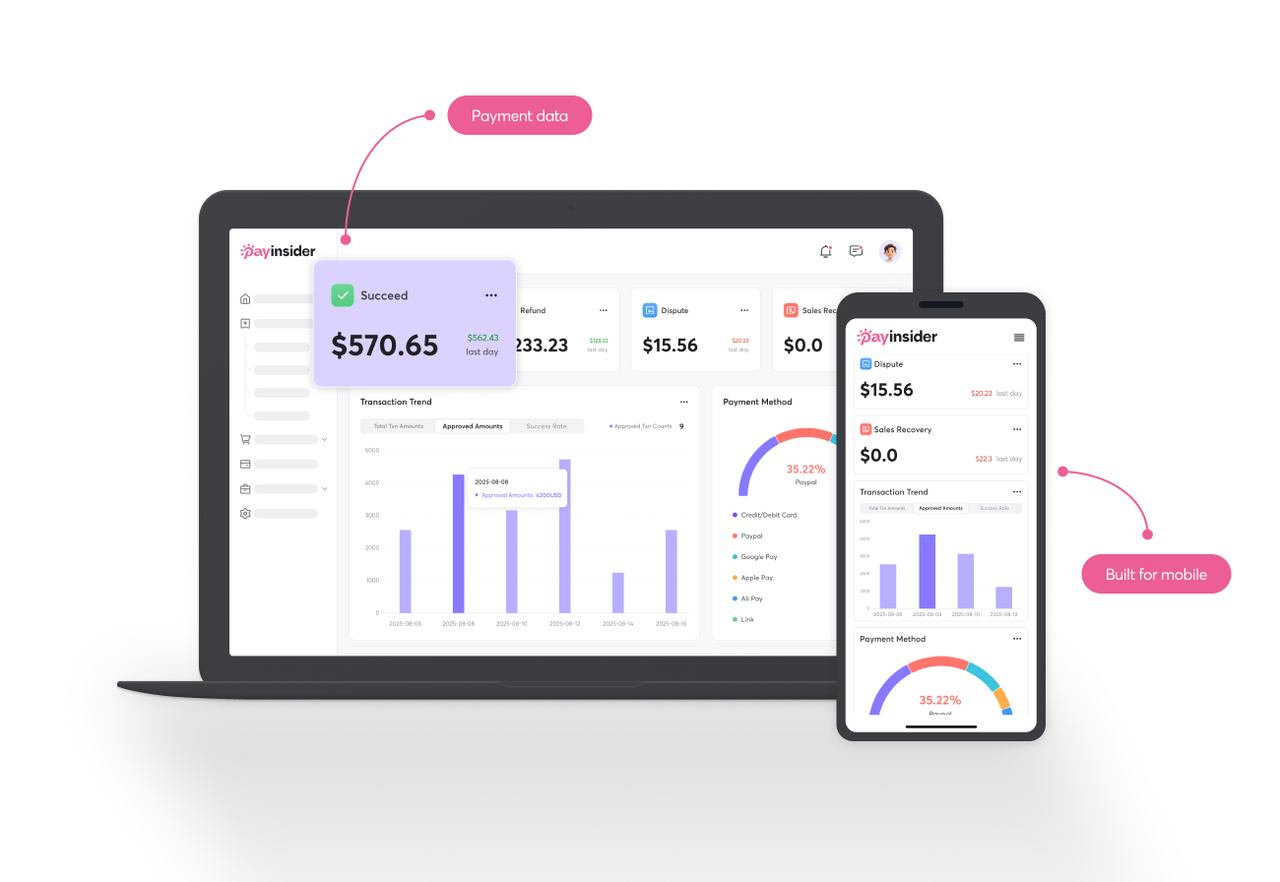
In fact, payment data is an accurate mirror of the final step in the customer journey. It records how users complete payments, why they abandon payments, and when they are willing to renew.
Therefore, systematically analyzing this data can directly guide businesses in optimizing pricing strategies, reducing involuntary churn, and increasing LTV.
How Payment Data Interprets Subscription Business Health
1. Identify Real User Churn Reasons
Churn in subscription businesses is divided into "voluntary churn" and "involuntary churn." Payment data can clearly reveal:

Technical Churn Analysis How many users churned unexpectedly due to technical reasons like expired payment information or insufficient funds.
Regional & Card Type Analysis Which regions or card types have abnormally high failure rates.
Timing Pattern Analysis Whether failure points are concentrated around a specific renewal cycle.
For subscription businesses, it's particularly important to focus on involuntary churn at renewal. The customer did not actively cancel the service but stopped renewing solely due to a payment issue – this is a hidden revenue leak. Intelligent retry strategies can recover an average of 57% of failed recurring payments, directly increase recurring revenue.
2. Calculate a Sustainable LTV/CAC Ratio
Payment data directly supports the calculation of core metrics:

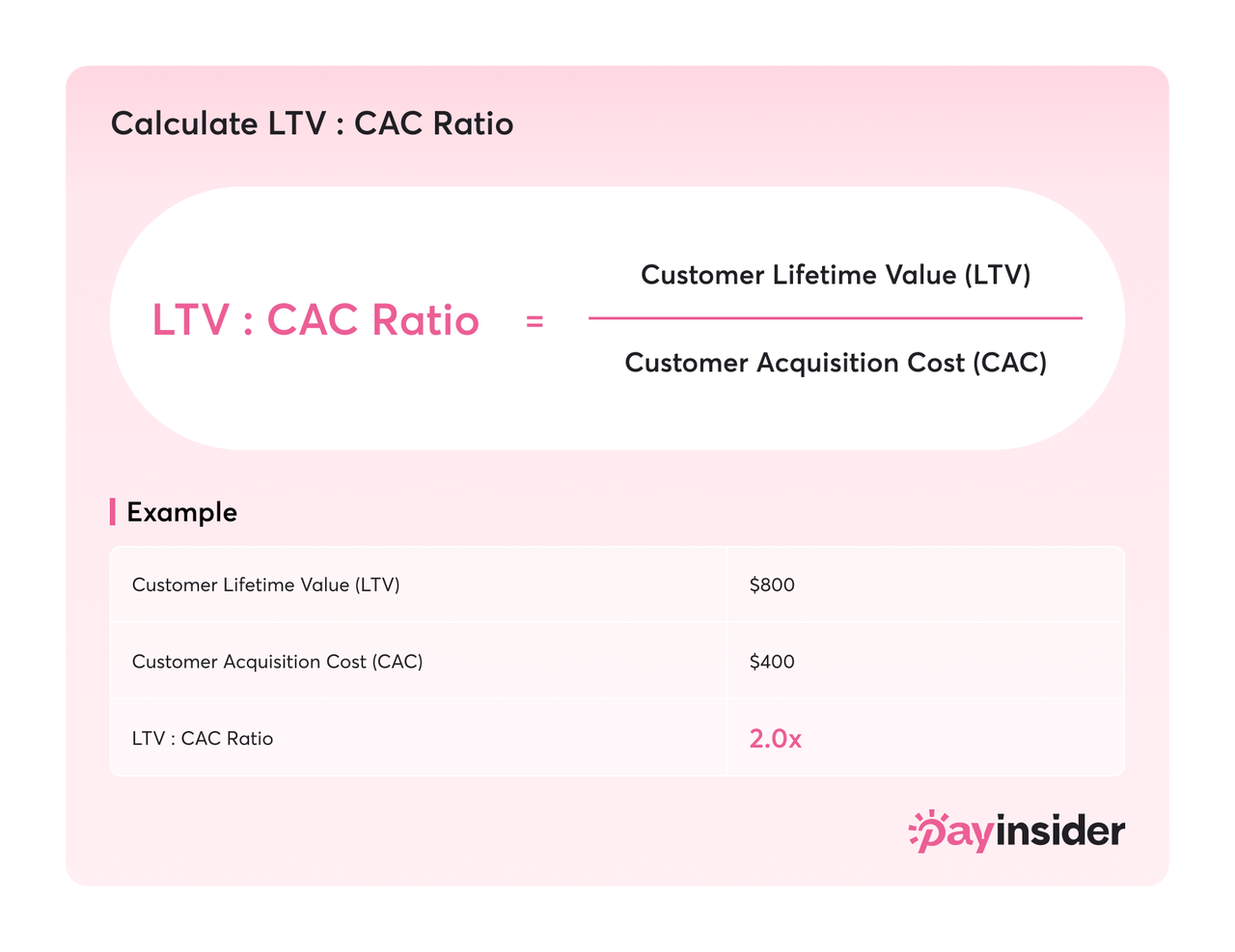
Customer Lifetime Value (LTV) Calculated based on actual collection data, not projected revenue.
Customer Acquisition Cost (CAC) Links marketing spend to actual successfully converted payments.
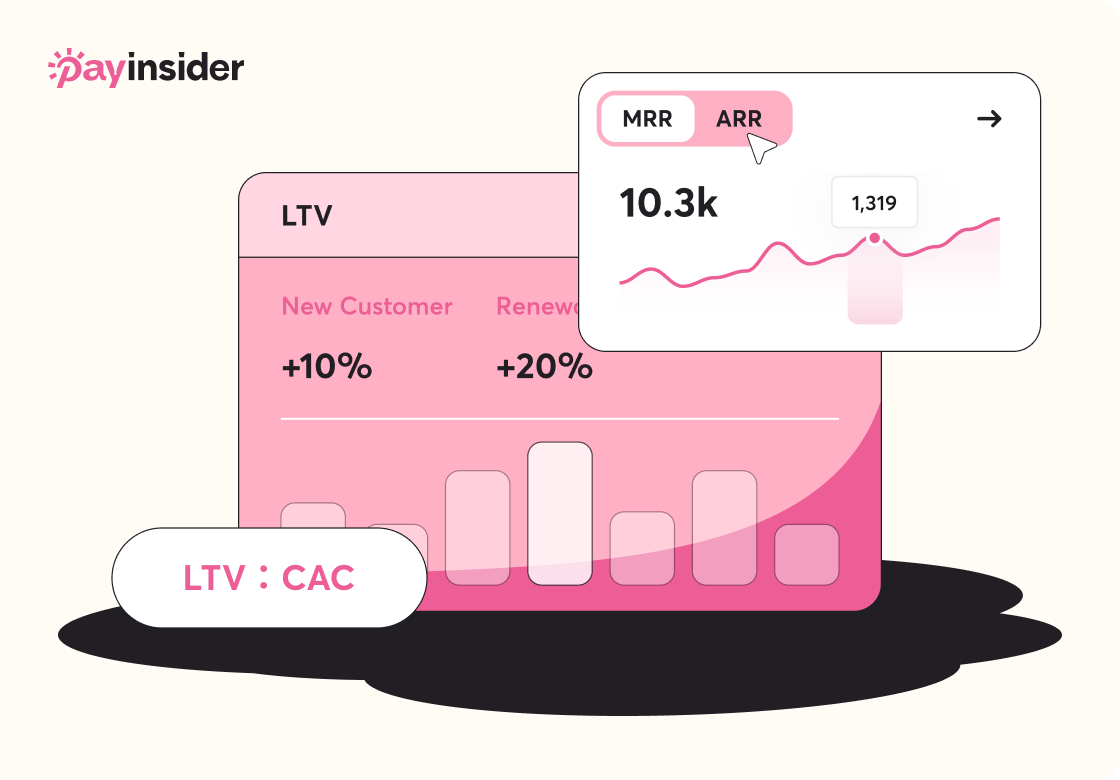
The ideal LTV:CAC ratio for a subscription business is 3:1, meaning for every dollar spent acquiring a customer, approximately three dollars should be returned in value.
If the ratio is too low, it indicates acquisition costs are too high, making profitability difficult to sustain. If the ratio is too high (e.g., LTV of $1500 with a CAC of only $200), it might mean under-investment in customer acquisition, missing expansion opportunities. Therefore, businesses should continuously monitor this ratio to ensure sustainable growth.
3. Analyze MRR and ARR
Recurring revenue calculated through payment data more accurately reflects the business situation:
Net New MRR = New MRR + Expansion MRR - Churned MRR - Contraction MRR + Reactivation MRR.
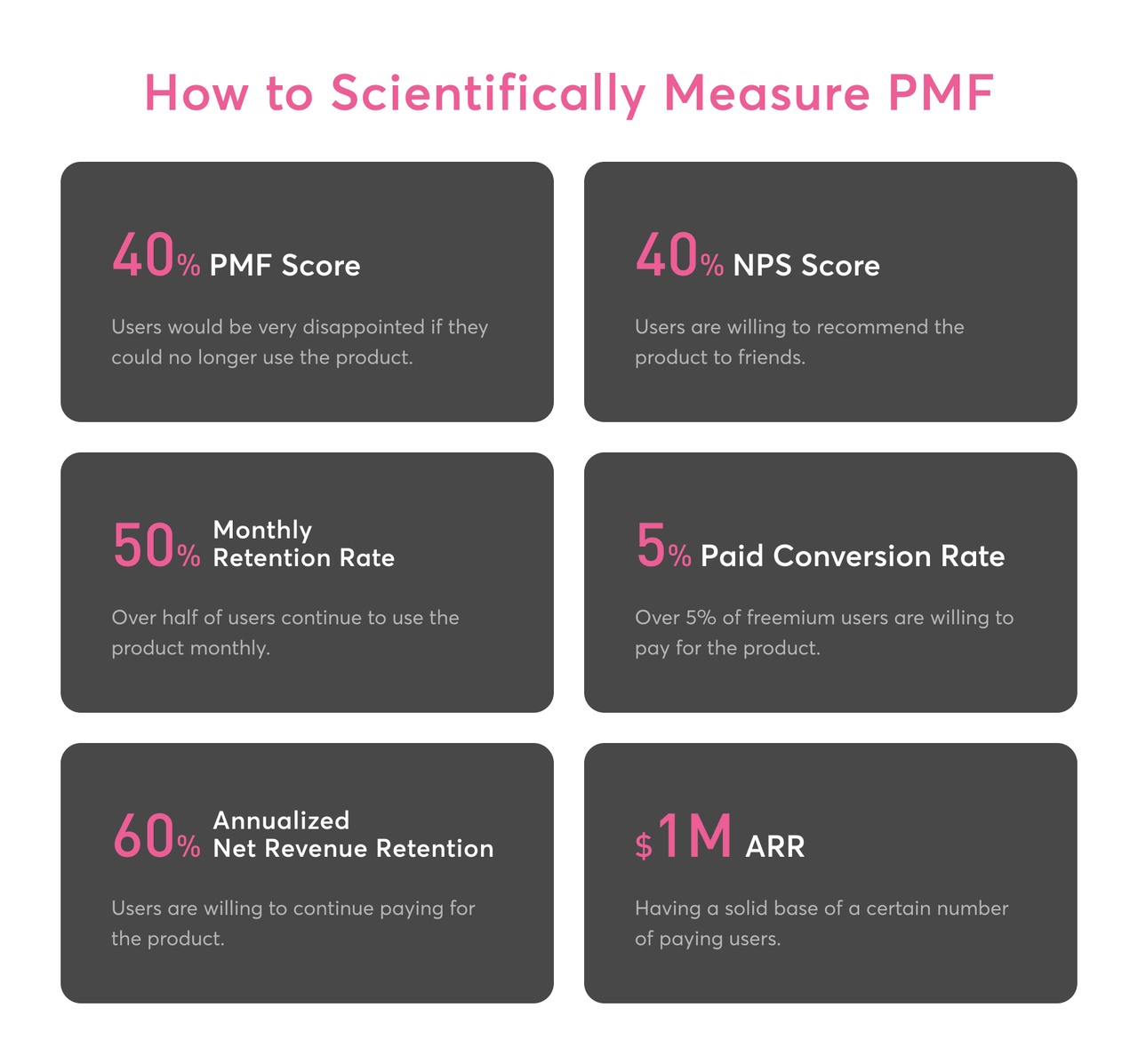
ARR is typically 12 times the MRR, providing the basis for annual revenue forecasting. By analyzing ARR, businesses can assess financial status, stability, and growth trajectory. Payment data can clearly reveal the proportion of each component, identifying whether growth is driven by new customers or upgrades from existing customers.
Payment data can also reveal the average subscription duration, helping businesses calculate expected revenue per subscriber and adjust the maximum cost for acquiring new users accordingly. By filtering recurring payment data, businesses can calculate retention and churn rates for subscription products, measuring the profitability of marketing campaigns.
How Subscription Businesses Can Use Payment Data to Drive Growth
1. Optimize Renewal Processes, Reduce Involuntary Churn
Smart Retry Strategy Analyze renewal failure patterns to set targeted retry timings (e.g., retry deadlines, retry frequency).
Proactive Card Updates Trigger update reminders for soon-to-expire cards (e.g., emails, SMS prompting users to update card info or payment methods).
Payment Risk Distribution Connecting with Payinsider (fragmented payment credentials cause immediate MRR erosion during account changes or closures).
2. Gain Comprehensive User and Market Insights
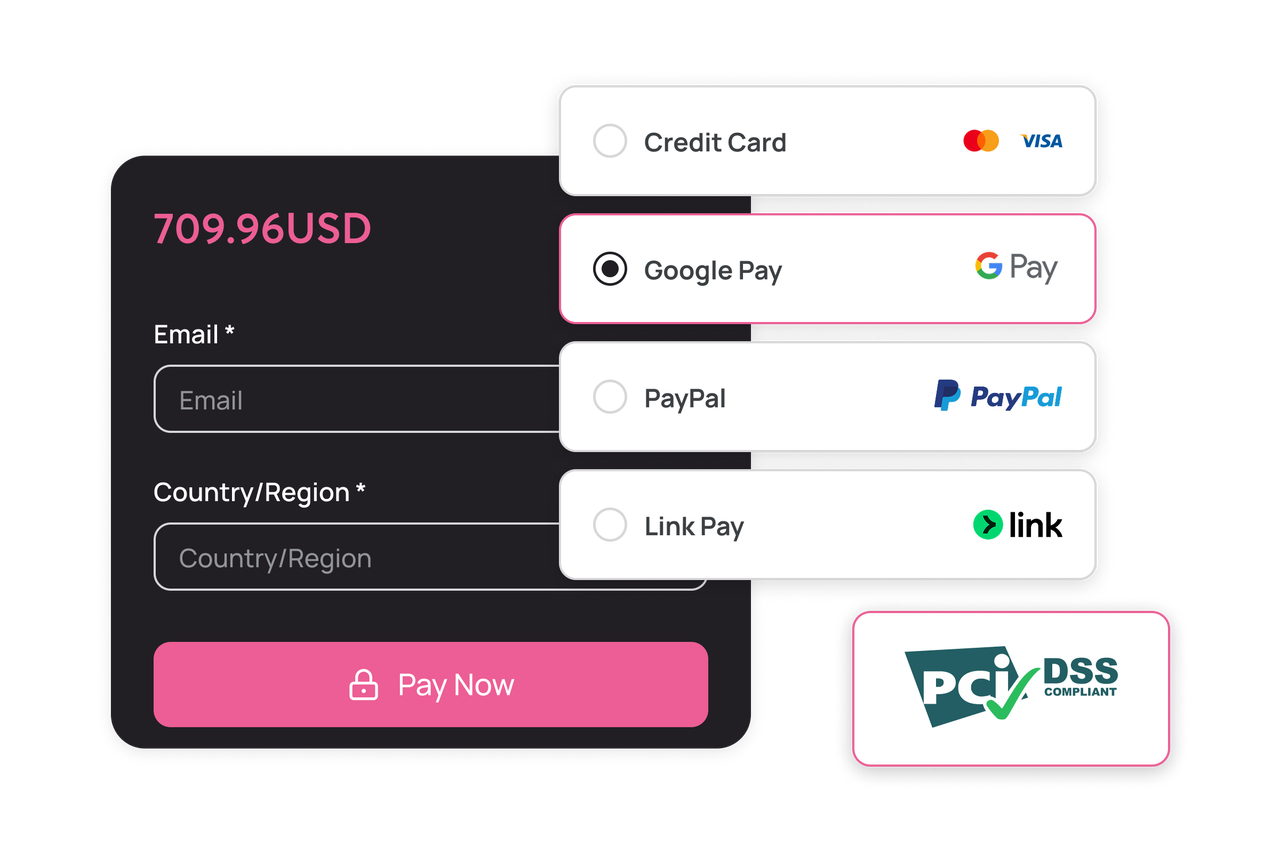
User Preference Insights: Payment data tells you the preferred payment methods in different countries/regions (e.g., Pix in Brazil, UPI in India). Adding local payment options directly increases conversion rates.
Dynamic User Segmentation: Analyze average order value, subscription frequency, and payment methods to identify high-value users, new customers, or price-sensitive groups, enabling precise marketing strategies.
Identify Churn Bottlenecks: Each step in the checkout process sends important signals. Analyze user drop-off points to identify pain points – did they exit on the billing details page or after triggering authentication? This data guides optimization efforts to reduce cart abandonment rates.
Product & Pricing Strategy: Analyze payment success rates across different pricing tiers to assess user willingness to pay. If a specific plan's failure rate is significantly higher, it might indicate unreasonable pricing.
3. Build a Growth Model Centered on Payment Data
A successful payment-data-driven growth model involves key steps:
Reduce Failure Rates Analyze error codes to solve problems specifically. For example, if frequent "insufficient funds" errors occur, notify users via email to update card details for a retry.
Personalized Marketing Calculate weights based on transaction history and user attributes (gender, age, historical preferences) to push optimal marketing messages.
Fine-tune Payment Reliability Some transactions fail due to risk control false positives or technical issues. Recovering these transactions means upgrading infrastructure. Consider improving fraud detection accuracy to avoid blocking subscribed users.
From "Cost Center" to "Strategic Asset"
Traditional finance views payments as a cost center, while leading subscription businesses reposition it as a center for user insights and growth drivers.
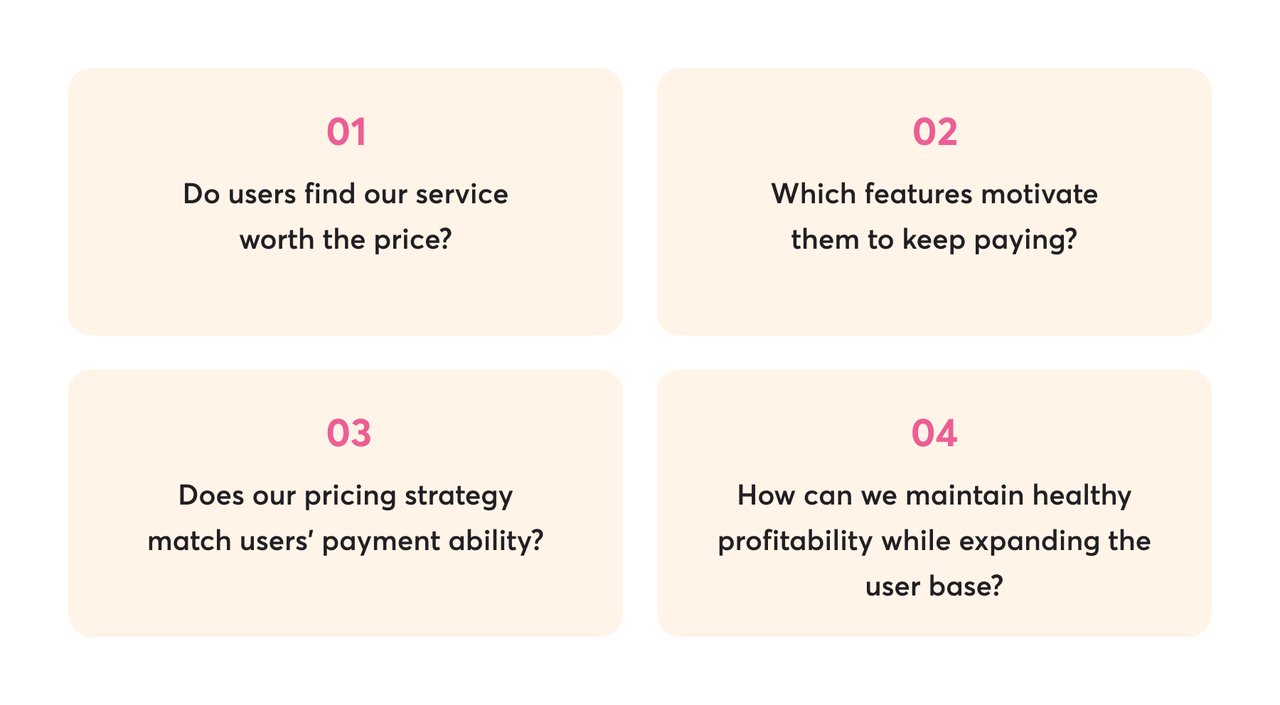
Service Value Assessment Do users believe our service provides good value?
Feature Value Analysis Which features drive them to continue paying?
Pricing Strategy Optimization Does our pricing strategy align with user affordability?
Growth & Profitability Balance How can we expand our user base while maintaining healthy profitability?
Payinsider: Helping Businesses to Unlock the Potential of Payment Data
On the path to unlocking data value, professional tools can multiply results. Payinsider, as a payment data management platform, helps businesses unleash the potential of payment data through multi-dimensional features.
1. Omni-channel Data Integration
Unified Data View:
Payinsider consolidates dispersed payment providers data into a single platform, providing a complete view of global user transaction records, payment success rates, and revenue trends. This lays a solid foundation for subsequent deep applications like renewal optimization and user segmentation.
Smart Data Export For precise decision-making support
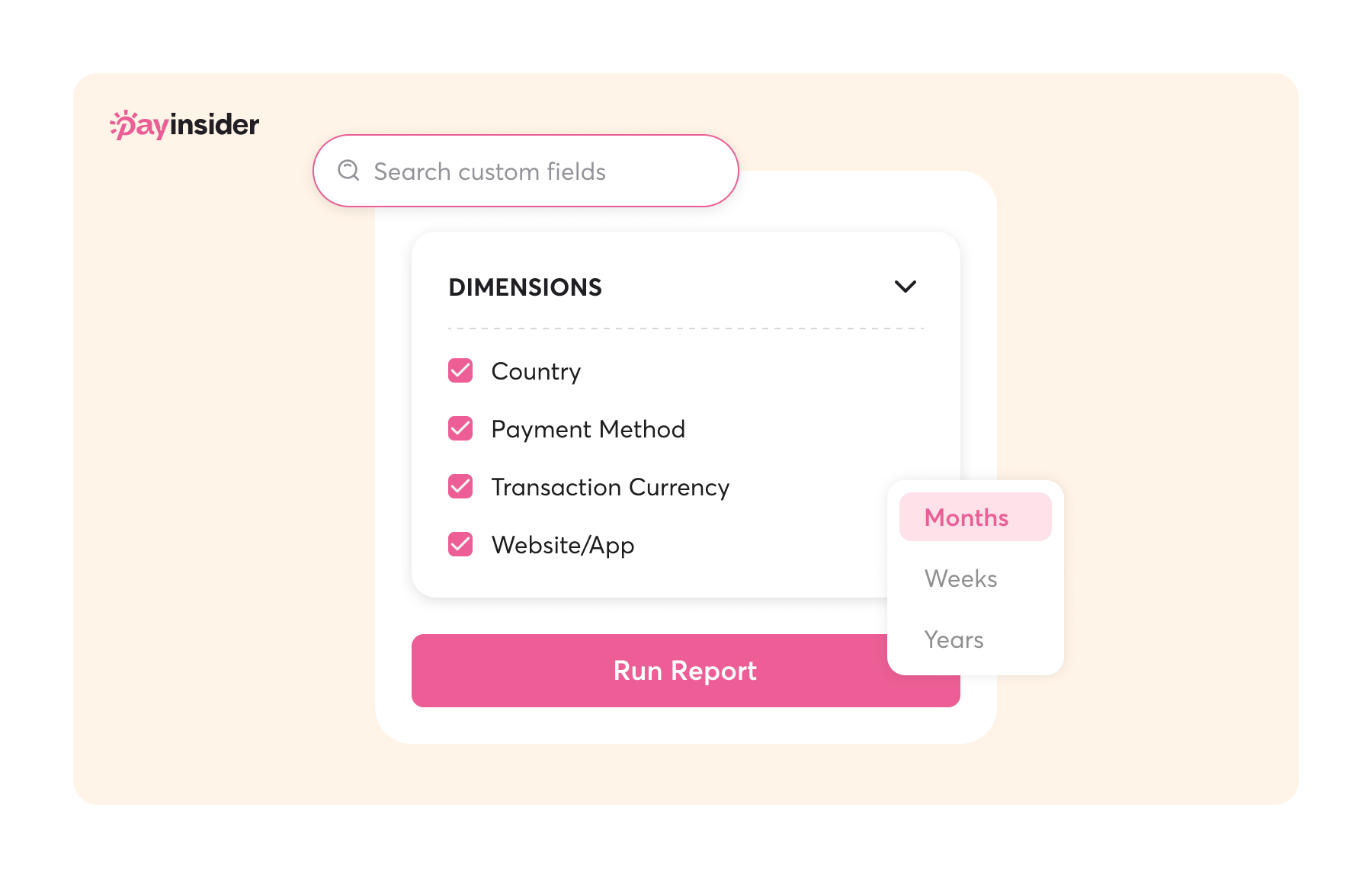
Multi-dimensional Data Export Supports exporting structured data by region, payment provider, user tier, etc.
High-value User Identification LTV/CAC analysis, ROI calculation, identifying high-value user groups
Payment Preference Analysis Optimizing payment method mix for each market
Revenue Trend Prediction Guides Resource Allocation: Built-in time series analysis models automatically identify revenue fluctuation patterns across sites, providing data basis for dynamically adjusting market investment, marketing pace, and resource allocation, enhancing operational foresight.
2. Global Payment Insights Reports for Subscriptions
For global expanding subscription businesses, Payinsider provides business intelligence covering:
Regional Payment Preferences Local payment method market share and transaction success rates in emerging markets (like Latin America, Southeast Asia, India).
Consumer Behavior Analysis Peak consumption times and repurchase cycles in different countries.
Localized Pricing Engine Assists with global pricing strategies and optimal reach timing, increasing conversion rates by 15%-30%.
Payinsider not only provides data integration tools but also helps businesses transform payment data into sustained growth momentum.
By connecting with Payinsider, businesses can establish a complete closed loop of "Data Insight -> Strategy Formulation -> Effect Verification," maintaining a leading edge in fierce market competition.













 Scroll to Top